
The Nervous System Series - The Peripheral Nervous System Part 3
read overview click here
read part 2 click here
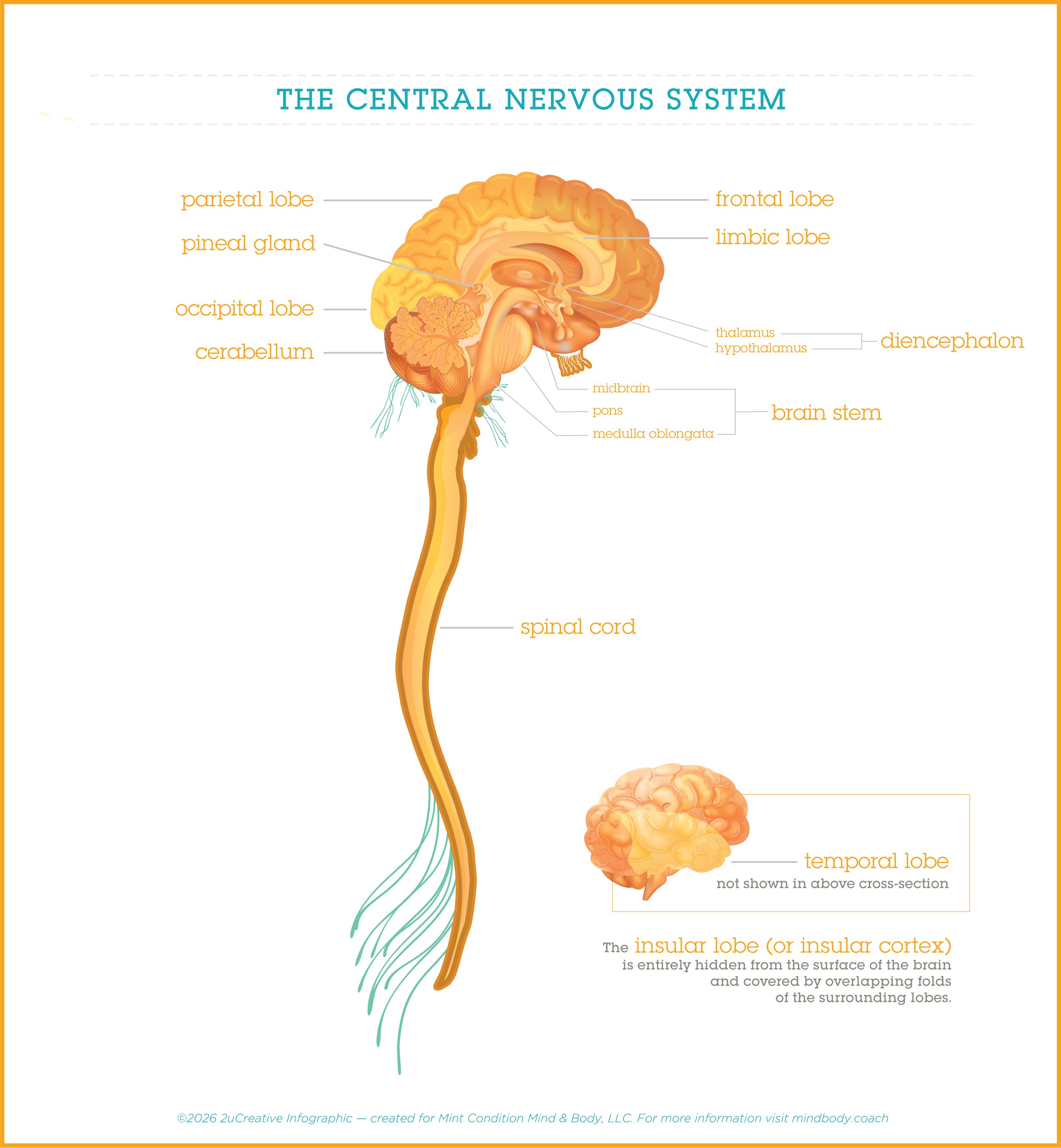
As mentioned in the overview the nervous system is divided into 2 primary parts. In Part 2, we learned about the functions of the brain and spine that make up The Central Nervous System (CNS). In Part 3, we will explore The Peripheral Nervous System (PNS).
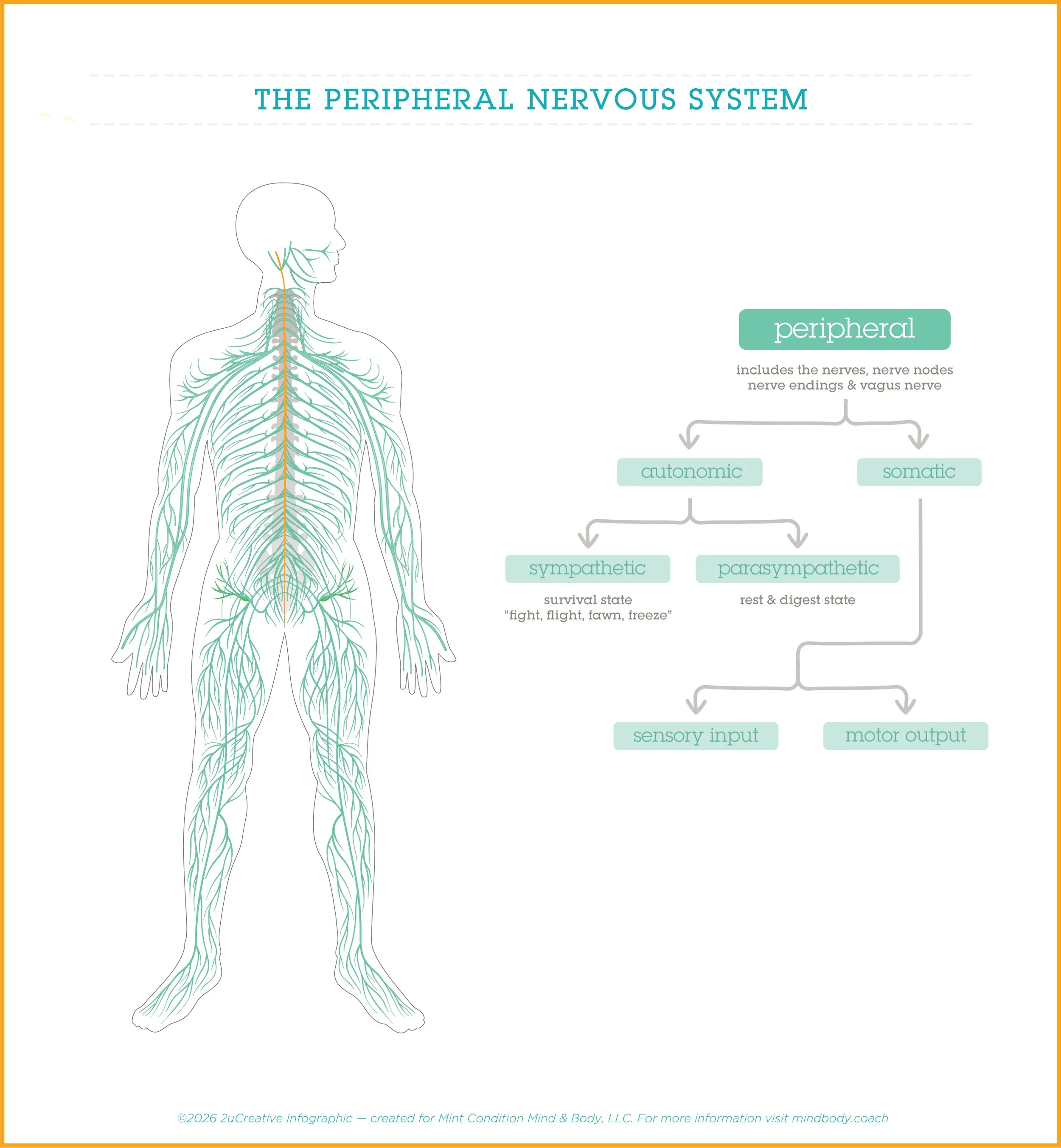
The Peripheral Nervous System (PNS) is the nerves and nerve clusters called ganglia that branch from the CNS to the rest of the body into two systems. The somatic and autonomic nervous systems are the two main subdivisions of the motor division of the peripheral nervous system. The somatic system controls voluntary muscle movements, while the autonomic system regulates involuntary, automatic internal bodily functions.
*The vagus nerve (vagus = latin for wandering) is a connector of the brainstem and the body. The vagus nerve originates in the brainstem but is actually part of The Autonomic Nervous System. It is a two-way communication pathway, carrying information from the brain to the body and from the body back to the brain.
Somatic Nervous System — Controls voluntary, bodily movements of skeletal muscles.
The somatic nervous system is responsible for all actions you consciously decide to do and controls your physical interactions with the outside world.Primary function: Controls voluntary movements of skeletal muscles (e.g., walking, writing, chewing). Voluntary skeletal muscle contraction is the best way to describe the motor output of the somatic nervous system.
Sensory processing: Carries sensory information from your skin, sensory organs (sight, touch, hearing, taste), and joints directly to the Central Nervous System (CNS) so you can perceive your environment. Provides the brain with a real-time, accurate map of your body's interaction with the external environment in a conscious, localized and physical way.
Uses motor neurons to send signals from the brain and spinal cord (CNS) directly to the muscles to execute a physical action.
Autonomic Nervous System (ANS) — Operates completely below the level of conscious thought — regulates involuntary, unconscious functions like digestion, heart rate, pupillary response and respiration rate, (although we do have conscious control over the breath, but more on that later). It maintains internal balance (homeostasis) and runs the behind-the-scenes processes needed for survival.
The ANS is further split into two opposing branches listed below. More in-depth information on these branches in part 5 of this series.Sympathetic Nervous System — Triggers “Fight, Flight/Flee/Shutdown, Freeze and Fawn” response to mobilize energy during high-stress, emergency situations, or when feeling in danger (e.g., increasing heart rate and breathing).
Parasympathetic Nervous System — Manages the "rest-and-digest" response to conserve energy, slow down the heart rate, and promote digestion during relaxed states. The vagus nerve is the main nerve of the parasympathetic branch, which helps the nervous system continuously respond to internal and external conditions.
Moving forward in this series, starting with part 5, we will continue to explore the depth and complexity of the Autonomic Nervous System (ANS). But first, it’s important to get a better understanding of how all of these systems we have discussed so far work together. The Central Nervous System (CNS) and the The Peripheral Nervous System (PNS) communicate with each other billions of times a day. It never stops. This communication is constant and happens 24/7, even during sleep, to facilitate output in our everyday lives. Learn about this communication process in part 4.
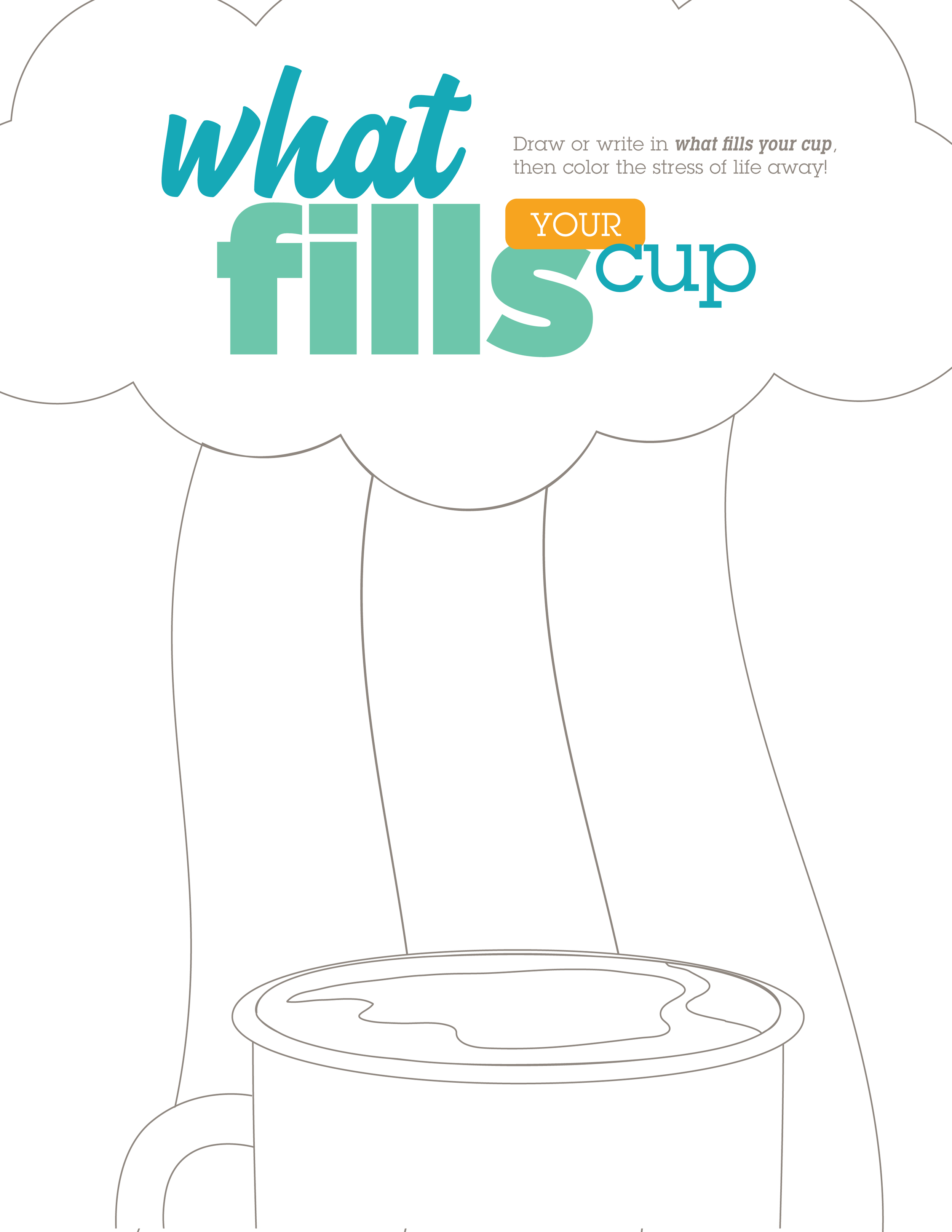
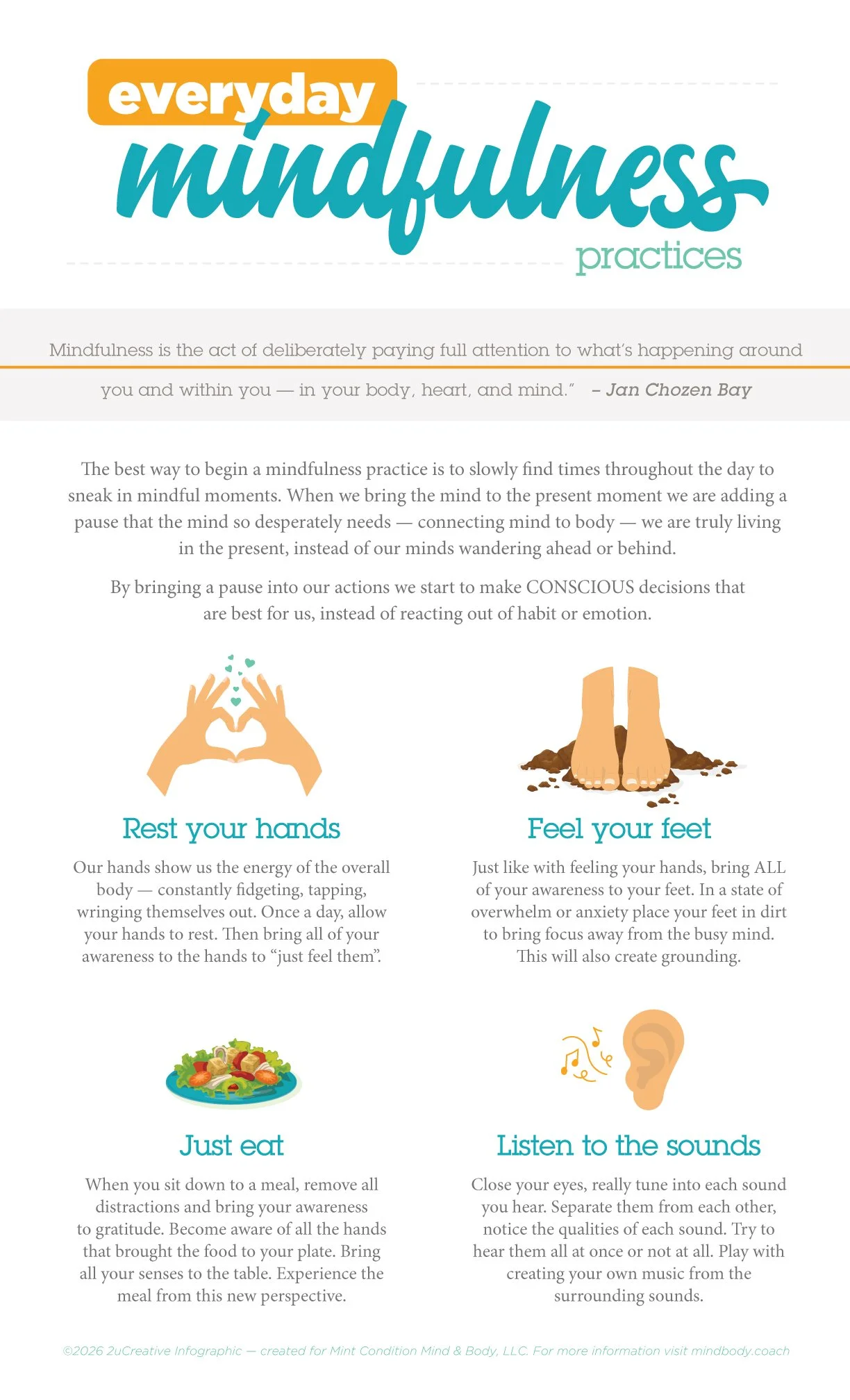
As discussed in these last 3 parts, when the body is feeling dysregulated, it’s best to PAUSE, and evaluate how you feel. Deep slow breaths and mindfulness practices can help facilitate calm so you feel safe to explore what emotions or triggers may be moving through the body. Check out the 4 FREE RESOURCES above that are great tools for nervous system regulation in a pinch.
Stay curious, below are some additional mindfulness techniques that will teach you to pay attention to your thoughts and feelings and stay in the present moment.
Body Scans — Focus on one part of your body at a time. Notice any tension or feelings without trying to fix them.
Mindful Breathing — Focus completely on the air moving in and out of your body. This calms the brain and stops worry loops.
Thought Labeling — Name your thoughts as they happen. For example, say, "I am having a worried thought right now". This helps you see thoughts as just thoughts, not facts.
The STOP Method — Pause for a brief moment to Stop, Take a breath, Observe your feelings, and Proceed.