
Walking to Wellness.
I have said many times that a huge issue in the wellness world is the constant overcomplication. I’m sure deep down there is a desire to move things forward faster, and therefore more complexity is added to gain maximum results. Yet when there are too many steps or too much information, we actually tend to lose momentum due to overwhelm and confusion. These feelings often lead to abandoning the whole practice or routine.
Sometimes this lack of momentum is an invitation to let go of a tool and try something more in alignment with the current season. More often, the invitation is to find what works in the current season of your life. If wellness habits aren’t sticking, it’s time to get curious. Is it possible that instead of more, life is asking for less? If so, you may actually find what you need in letting go and scaling back.
This “trying-to-do-it-all” mentality actually blinds us from recognizing the value and power of simplicity. When it’s simple, it’s more likely to get done. The more times it’s done, the more you learn and the more results are felt and seen. Then there’s a new kind of momentum — one that pulls you into your simple habit because you know that even in small drops, your cup will be filled. Click here for the “Fill your Cup” exercise.
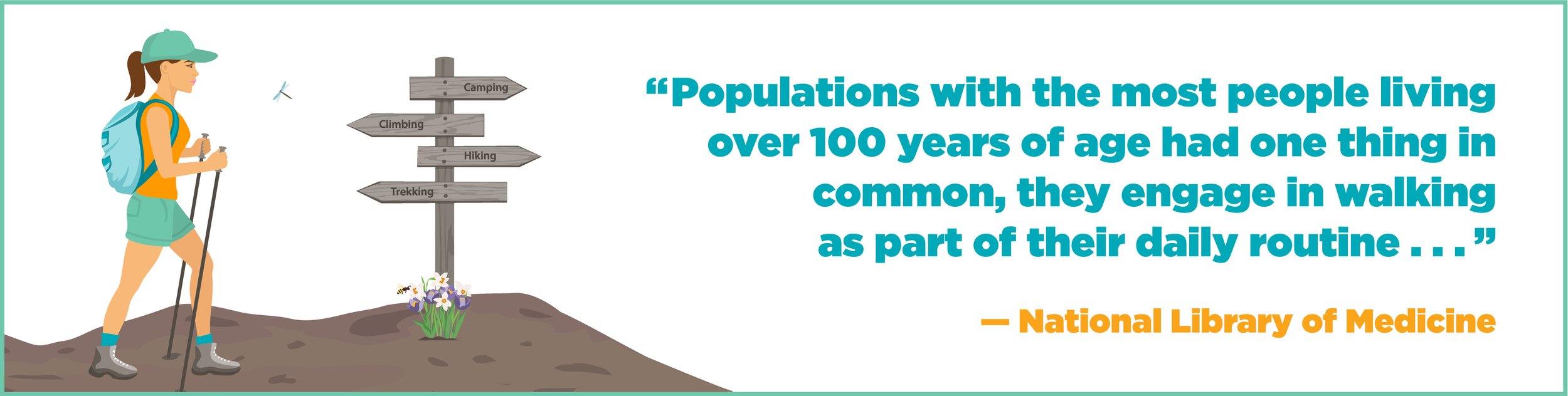
One area of research that has gained attention in recent years is the study of determinants of healthy aging in the Blue Zones, regions of the world where people live longer, healthier lives than anywhere else. These regions have the highest concentration of centenarians, people who have lived beyond 100 years, and the lifestyles of the people living in these regions have been studied to determine the factors contributing to their longevity and healthy aging. One thing all these populations had in common is they engage in walking as part of their daily routine; such as walking to work, walking for daily errands or to visit friends.
It is because of this that I say: walking is one of the most underrated wellness tools/gifts we have. Walking is a highly effective, low-impact aerobic exercise that significantly reduces the risk of chronic illnesses, enhances mental well-being, and extends lifespan. The amount of science around the benefits of walking rivals the list of benefits of meditation (also simple, yet powerful).
I used to get caught up in the intensity and complexity of workouts, but now I simply shift my walks to meet my current needs. Adding stairs, inclines, speed, strength-training breaks, and different terrains creates more challenging walks — helping to burn off energy and get things moving. Taking shorter walks, slowing down, and allowing the rhythm of the walk to become meditative can help soften and support.
Taking your walk into nature only amplifies the effects. Feeling the sun on your skin, hearing the birds chirp, and breathing fresh air all bring added benefits.
Not only is it a powerful practice, it’s accessible and free. Short walks count, stressed walks count, walking solo for mental clarity counts, walking with a friend for connection counts, and walking after a meal counts. These shorter walks invite consistency, which is where the magic happens.
Moral of the story… if you want to be able to do something for the rest of your life, maybe you should do it every day for the rest of your life.
Walking is freedom. Walking is grounding. Walking is medicine.

A consistent walking practice can support:
Physical Benefits
Improved cardiovascular health and circulation
Better blood sugar regulation and insulin sensitivity
Increased energy and stamina over time
Joint lubrication and mobility
Better posture and gait mechanics
Reduced stiffness from sitting
Support for digestion (especially short walks after meals)
Bone density support through weight-bearing movement
Improved lymphatic flow (helping the body move waste and fluid)
Gentle support for weight management and metabolism
Nervous system regulation without overstressing the body
Brain + Mental Health Benefits
Reduced stress hormones
Improved mood and emotional processing
Better focus and creativity
Enhanced memory and cognitive function
Support for anxiety and mild depression symptoms
More mental clarity from rhythmic bilateral movement
Better sleep quality, especially with morning or evening walks
Nervous System + Emotional Benefits
Walking tends to regulate rather than “amp up” the system. The repetitive rhythm of walking, breath, and arm swing can feel grounding and organizing to the brain and body.
Some people notice:
less mental looping
easier emotional processing
more balanced energy
feeling “back in themselves” after a walk
Hormonal + Longevity Benefits
Frequent moderate movement is strongly linked to healthy aging and longevity. Walking regularly may help:
lower chronic inflammation
support hormone balance
reduce risk of heart disease
reduce risk of type 2 diabetes
support healthy blood pressure
preserve mobility and independence with age (freedom!)
